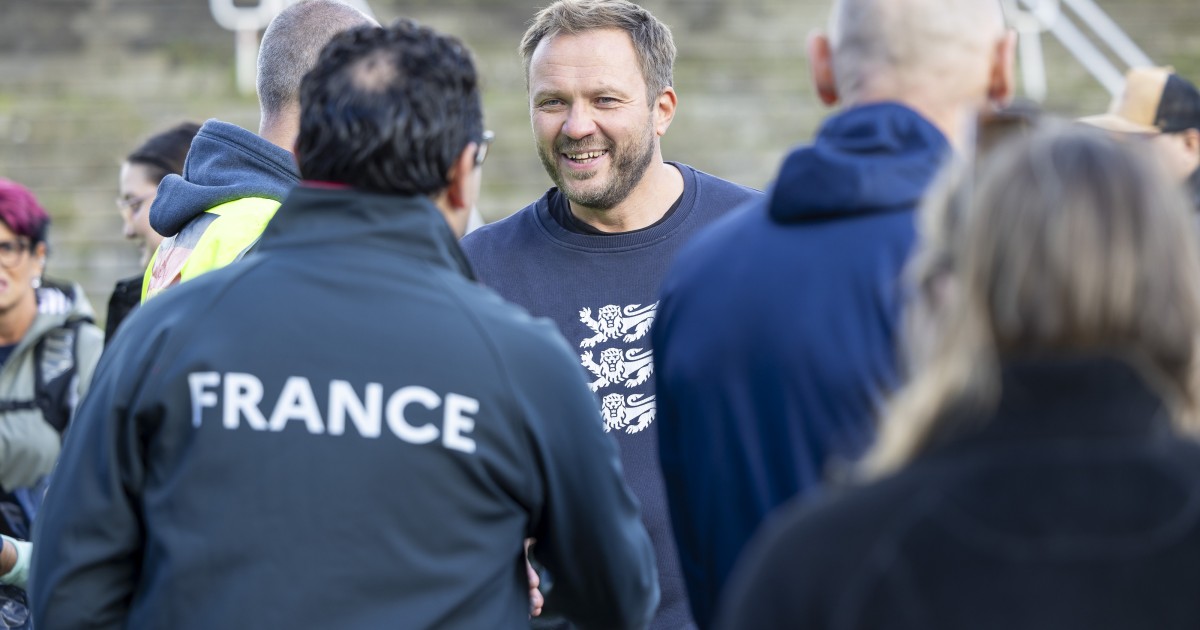
According to Foreign Minister Margus Tsahkna, an initiative that began in Estonia has, in less than two decades, grown into a global movement bringing together more than 100 million people with the shared goal of creating a cleaner environment. “This is not merely a clean-up campaign. It is an initiative that strengthens community cooperation, builds trust, and helps keep our planet sustainable,” said Tsahkna. He added that the movement is centred on the responsibility each person bears for their surroundings. The goal is to engage at least five per cent of the population in every country, turning local initiatives into lasting change and creating healthier, more sustainable, and waste-free communities.
The minister noted that World Cleanup Day also serves as a reminder that the environment is often a silent victim of war. “Through its war of aggression, Russia has caused an estimated €150 billion in environmental damage in Ukraine,” Tsahkna stressed. “The aggressor is using nature as a strategic weapon. In recent months, Russia has increasingly targeted civilian infrastructure, bombing fuel depots, railways, and ports. The resulting pollution, contamination, and fires are causing severe damage to Ukraine’s natural environment, water resources, air quality, and ecosystems.”
“Agriculture has suffered particularly heavily. Bombing, artillery fire, and destroyed military equipment have contaminated agricultural land, one of Ukraine’s most important economic resources, with toxic substances and heavy metals. Their impact on crops and ecosystems will be felt for decades. The deliberate destruction of the environment is a crime, and Russia must be held accountable.”
Since the start of Russia’s full-scale invasion, the war has generated an estimated 311 million tonnes of CO₂ emissions in Ukraine. Approximately 30 per cent of Ukraine’s territory is contaminated by landmines and unexploded ordnance. The cost of clearing the country of mines is estimated at USD 38 billion.
These figures reflect only part of the war’s impact. The long-term deterioration of ecological conditions, loss of biodiversity, and damage to ecosystems remain largely unmeasured and continue to worsen every day.
World Cleanup Day traces its origins to the first nationwide Teeme ära! clean-up campaign held in Estonia in 2008. Since 2018, more than 139 million people from 211 countries and territories have taken part in World Cleanup Day initiatives, collecting over 870,000 tonnes of waste. In 2023, the United Nations General Assembly officially designated 20 September as World Cleanup Day. The global headquarters of the movement, the NGO Let’s Do It World, is based in Estonia.