The Government has decided to suspend road border crossings between Estonia and Russia. The decision will be reviewed in six months, when the security situation and the impact of the measure will be assessed and a decision made on whether an extension or amendment is necessary. The fact that the restriction is time-limited does not mean that the threats originating from Russia have disappeared.
The decision concerns the movement of people and vehicles through road border crossing points and does not introduce any additional restrictions on rail freight transport. Rail freight transport will continue in accordance with the restrictions and arrangements currently in force, subject to strict customs checks.
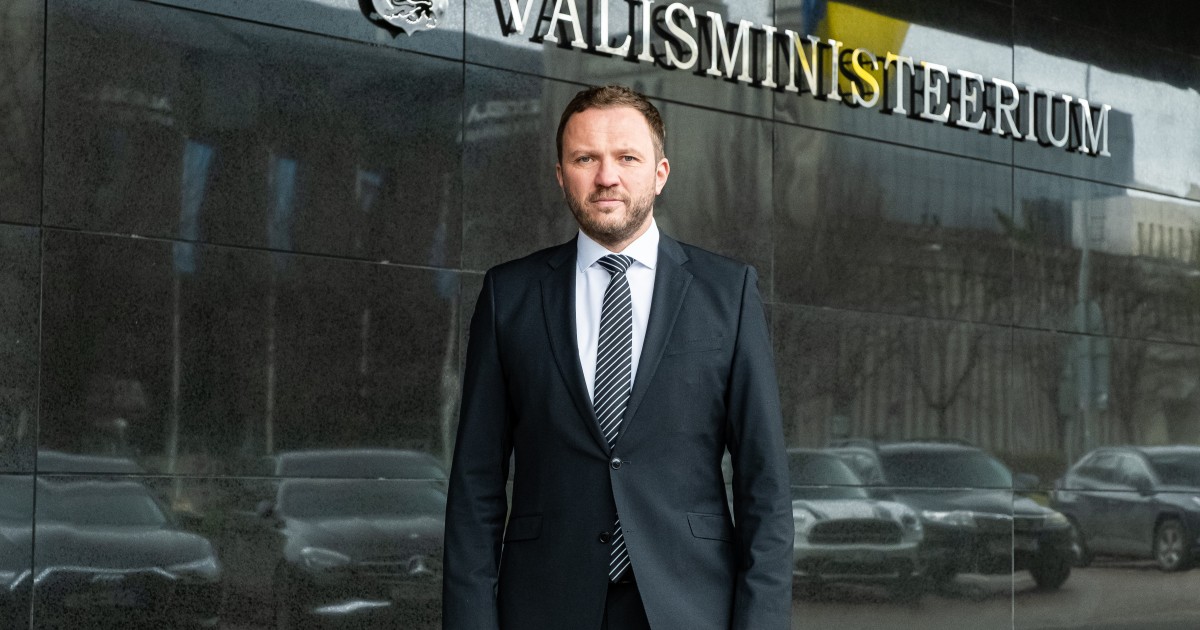
According to Foreign Minister Margus Tsahkna, Russia has continued to escalate its hostile activities targeting Europe as a whole, and Estonia is responding. “The closure of the border crossing points is not a reaction to a single incident, but the next step following Russia’s aggression against Ukraine and the increasing frequency of sabotage and hybrid operations in Europe. Sabotage attacks against Estonian defence industry companies, orchestrated by Russian intelligence services, are yet another example of deliberate hostile activity. In addition to other acts of sabotage, similar attacks targeting the defence industry have also taken place this year in several other European countries, including Bulgaria, Poland and Germany. We have previously made it clear that if the attacks continued, we would introduce additional security measures – and that is what we are doing now,” said Tsahkna.
The foreign minister said that Russia’s aggression was not limited to its war against Ukraine, but increasingly also involved acts of sabotage, influence operations and other operations targeting European countries. “Russia is testing the readiness of Europe as a whole, seeking to spread fear and undermine the unity of our societies. Estonia cannot allow Russia to use cross-border movement to recruit and influence people, organise acts of sabotage or circumvent sanctions. Of course, closing the border will not eliminate all threats originating from Russia, but it will reduce one significant vulnerability and make it more difficult for Russian intelligence services to operate,” Tsahkna explained. He added that, with this decision, Estonia was protecting not only its own security, but also that of the EU and the Schengen area. “I will also inform our partners and allies of this decision, as safeguarding our shared security requires close coordination,” Tsahkna added.
Tsahkna also acknowledged that the Government’s decision would affect the everyday lives of many people and families. “The Government has considered these effects, but the security threat posed by Russia’s activities outweighs them. The security of the people of Estonia and the state is our top priority. At the same time, we must ensure that our border regions remain viable and help the people and institutions most affected to adapt to the changed circumstances,” the foreign minister stressed.
The Ministry of Foreign Affairs strongly advises everyone to avoid travelling to Russia altogether and urges Estonian citizens currently in Russia to plan their return well in advance. Once road border crossings between Estonia and Russia have been suspended, alternative open routes will have to be used, which may be considerably longer and more expensive.
Answers to frequently asked questions about the suspension of road border crossings between Estonia and Russia are available on the kriis.ee website.