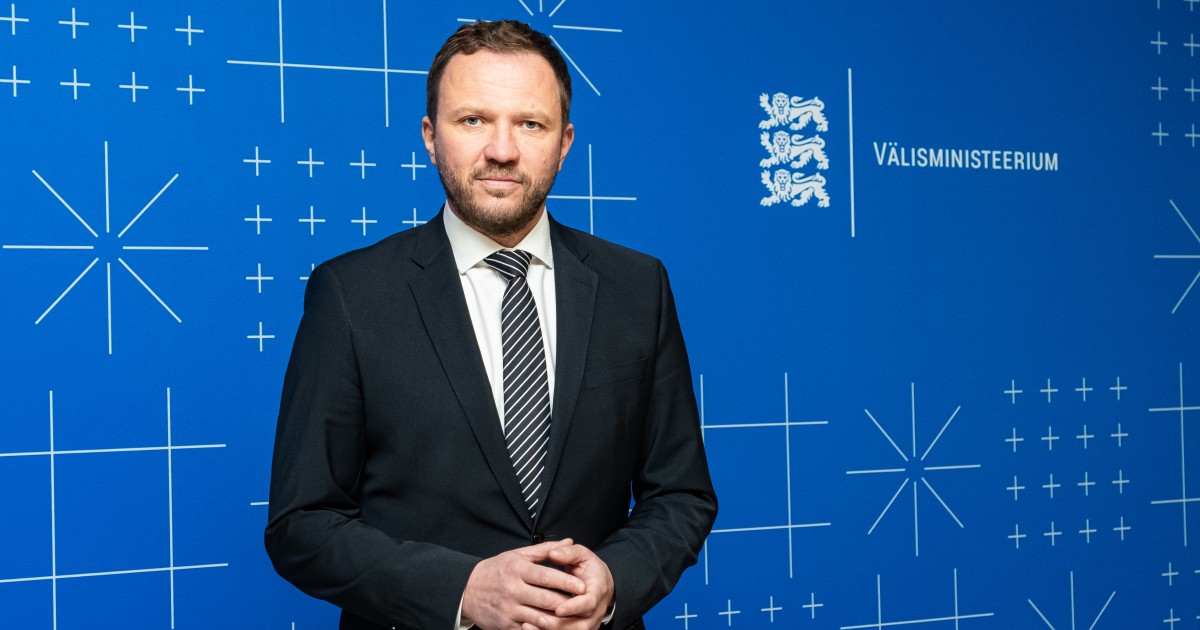
“People who have fought in Russian forces against Ukraine cannot simply take off their uniforms and then travel freely to Europe. They pose a serious security threat, particularly at a time when Russia is carrying out acts of sabotage and other hostile attacks in European countries. Estonia has advocated this visa ban from the outset. Now it must be effectively enforced throughout the Schengen area,” Tsahkna said.
The legal basis for the visa ban was established in the 21st sanctions package, adopted in July. Today, the Commission issued new guidelines to help countries identify people who have fought in Russian forces and scrutinise their visa applications. The Commission also recommends tightening visa restrictions on Russian tourists. The EU Council must still decide whether to introduce a common visa ban.
The new sanctions package would also restrict Russia’s participation in European sport and cultural life. Under the proposal, Russian national teams and athletes competing under the Russian flag would be barred from competing in the EU, and the use of Russian state symbols would be restricted. The proposal also seeks to limit the flow of Russian sponsorship money to European sports and cultural organisations and restrict the participation of Russian representatives in the governing bodies of European sports federations. The new visa guidelines would also provide for stricter scrutiny of artists supported by the Russian authorities.
“Ukrainian athletes have to live and train amid Russian attacks. While this is going on, Russian representatives cannot be allowed to come to European competitions with their flag and anthem as if nothing had happened. Nor must culture be used by the Kremlin to justify its aggression. As long as Russia continues to attack Ukraine, normal relations in sport and culture cannot resume either,” the foreign minister stressed.
The proposed 22nd sanctions package also aims to reduce Russia’s ability to finance its war. Plans include extending the transaction ban to approximately 60 Russian banks and removing them from the international SWIFT system. The proposal also seeks to prevent sanctions circumvention through cryptocurrency and third countries, and to add more than 70 vessels from Russia’s shadow fleet to the sanctions list. In addition, it proposes banning the use of oil tankers insured in Russia and restricting the participation of European companies in projects in Russia’s oil, gas and electricity sectors.
The new restrictions would also target the military-industrial sectors of Russia and Belarus. The proposal includes more than 100 new sanctions listings, including companies that help Russia circumvent existing restrictions. It also seeks to tighten export restrictions on more than 20 companies and prevent Russia from obtaining goods and new technologies that can be used to manufacture weapons. In addition, it proposes prohibiting EU citizens from serving on the governing bodies of companies based in Russia.
“Russia continues to attack Ukraine and has shown no serious willingness to end the war. Any efforts to achieve peace must therefore be accompanied by strong pressure on the aggressor. We must restrict Russia’s war revenues, its weapons production and its ability to threaten European security. Estonia supports the swift adoption of new sanctions. We have the tools needed to put pressure on Russia. We must use them,” Tsahkna said.