
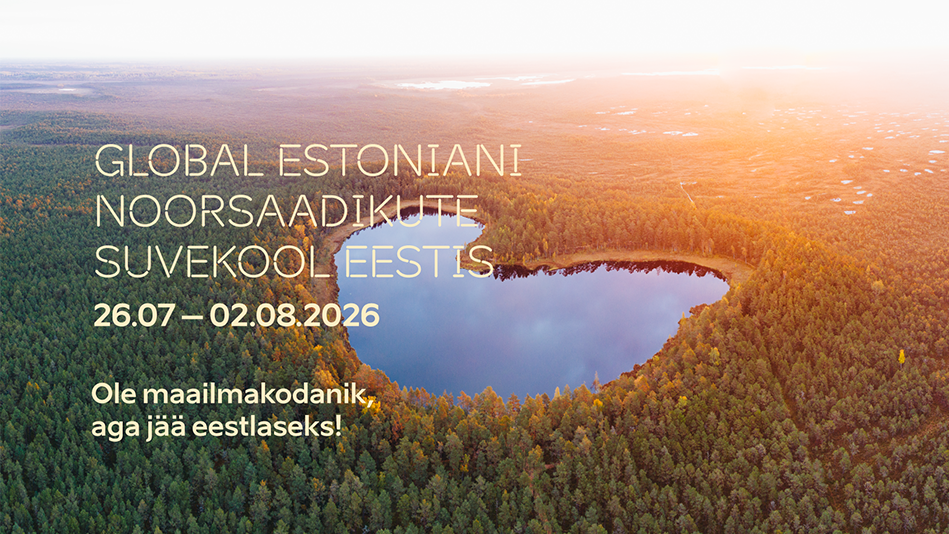
From 26 July to 2 August, the program aims to strengthen the connection between young people who have grown up abroad and Estonia, introduce them to how the Estonian state functions, and provide an overview of opportunities to study, work, and build a future in Estonia.
According to Minister of Foreign Affairs Margus Tsahkna, the Global Estonian community is a tremendous asset for a small country like Estonia and an invaluable link to the rest of the world.
"Estonia is greater than its borders. Throughout history, Estonians living abroad have preserved our language, culture, and statehood while helping Estonia's voice be heard around the world. Our task is to keep that connection alive for future generations," said Tsahkna. "We want young people to experience today's Estonia firsthand and see how they can contribute to its future."
According to Marin Mõttus, Director General of the Ministry of Foreign Affairs' Department for the Diaspora and Cultural Diplomacy, firsthand experiences are key to strengthening young people's ties with Estonia.
"It is a great pleasure to welcome young Estonians from all corners of the world: from Brazil and New Zealand to Finland and Latvia. The participants' Estonian language skills and previous experience with Estonia may vary greatly, but they are united by a shared interest in their heritage and in Estonia," said Mõttus. "The summer school will help them reflect on what their relationship with Estonia could look like in the future, while also making new friends and finding like-minded peers."
During the week, participants will learn about Estonia's foreign and security policy, national defence, entrepreneurship, digital society, education, culture, and civil society. They will visit government institutions, businesses, and educational institutions in Tallinn, Tapa, Tartu, and Võrumaa. The program includes visits to Stenbock House, the Ministry of Foreign Affairs, the Tapa military base, the University of Tartu, and the Estonian National Museum, as well as participation in Seto Kingdom Day.
The summer school is part of the Global Estonian Action Plan for 2026–2029, whose objectives include engaging more young people of Estonian heritage living abroad. It is estimated that up to 200,000 people of Estonian descent live outside Estonia. The Estonian diaspora has played a vital role in preserving Estonia's culture, identity, and the continuity of its statehood.

