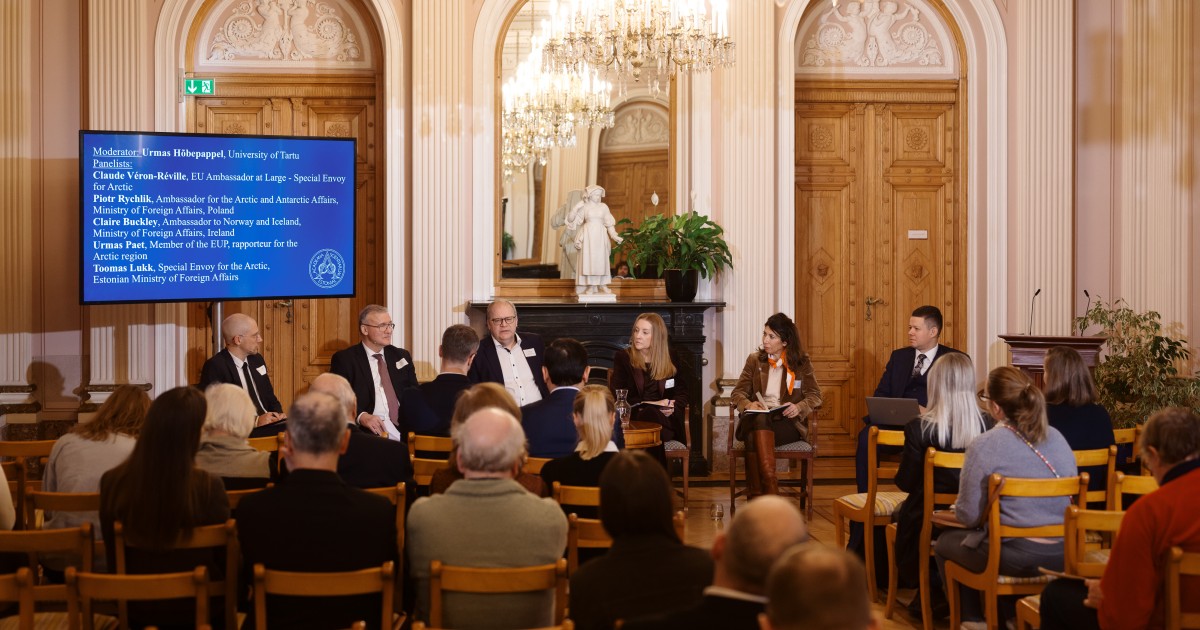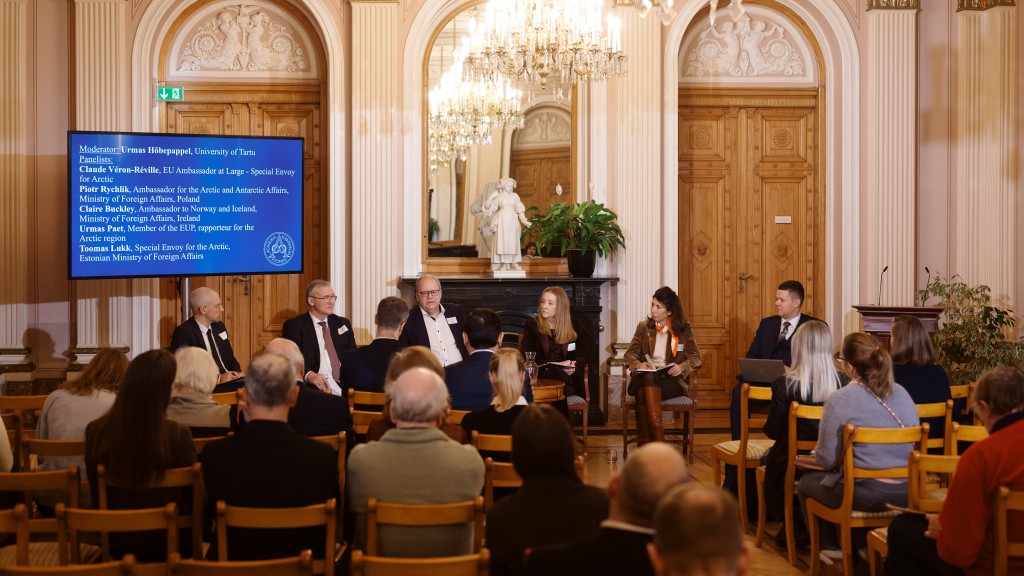
The conference explored the impact of climate change and geopolitical tensions on the Arctic and Antarctic, as well as the role of science in decisions concerning the future of the polar regions. Internationally recognised polar experts and representatives of the European Union and its member states took part in the discussions.
The conference also marked Antarctic Day, observed on 1 December, which commemorates the Antarctic Treaty signed in 1959 to ensure the peaceful use of the region and promote scientific cooperation. Estonia has been a non-consultative party to the Antarctic Treaty since 2001, but has not yet acceded to the Madrid Protocol.
According to Toomas Lukk, the Foreign Ministry’s Ambassador-at-Large for the Arctic, the Arctic and Antarctic are the two poles of our planet, and what happens there increasingly affects our lives directly. “The future of the Arctic and Antarctic depends on science-based cooperation, respect for international law and a shared responsibility for peace, security and sustainable development. Estonia does not wish to be merely an observer in this process, but an active participant in discussions and action,” Lukk said.
The Ambassador-at-Large for the Arctic also stressed that the security of the Baltic Sea – and therefore of Estonia – is directly linked to developments in the Arctic. “Together with our Allies, we must actively engage in discussions and cooperation to ensure freedom of navigation and values-based cooperation in the Arctic,” Lukk explained.
The first part of the conference focused on the European Union’s Arctic strategy in the changing geopolitical environment and on member states’ positions regarding the future of the region. Participants included Claude Véron-Réville, the European Union’s Special Envoy for the Arctic.
The second part of the event focused on the future of Antarctica and how to ensure that international decisions concerning the region are based on the best available scientific knowledge. It also examined how scientists and non-governmental organisations can influence decisions relating to the region against the backdrop of past and present geopolitical challenges.
The keynote speaker for the Antarctic session was Jim Barnes, a long-standing advocate for the protection of the Antarctic environment and founder of the Antarctic and Southern Ocean Coalition (ASOC), an organisation dedicated to protecting Antarctica and the Southern Ocean. The conference also included a live connection to Antarctica, where Estonian polar scientist Dr Priit Tisler is currently based.
The conference can be watched HERE.